

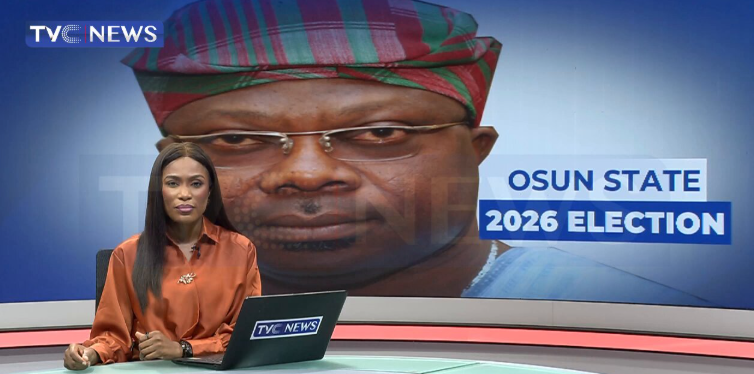
The race for Osun State’s governorship in July 2026 is intensifying, with candidates from the All Progressives Congress (APC) and the ruling Peoples Democratic Party (PDP) ramping up campaigns to win over voters. As Osun grapples with challenges like unpaid local government workers, crumbling infrastructure, and stalled development, aspirants are pitching bold visions to transform the state, known as the “Living Spring.”
Leading the APC’s charge is Omooba Dotun Babayemi, a seasoned politician who has toured over 200 of Osun’s 332 wards to connect with grassroots supporters. “Osun is rich in talent, culture, and resources, but we’re held back by unemployment and poor infrastructure,” Babayemi said during a rally in Iwo. He promised to prioritize job creation, road repairs, and education, positioning Osun as a “model for progress” in Nigeria. Babayemi’s campaign has gained traction, with supporters praising his focus on practical solutions.
Other contenders are also making strong cases. Engr. Dideolu Falobi, a technocrat and Managing Director of Kresta Laurel Ltd., is advocating for agro-industrial hubs to boost Osun’s economy. “Our farms and markets can drive growth if we invest wisely,” Falobi stated at a recent town hall. Meanwhile, Barrister Olalekan Festus Ojo emphasizes social justice and transparency. “Good leadership means every citizen feels the impact of government in their daily lives,” Ojo told supporters in Osogbo, pledging to improve healthcare and public services.
The backdrop to this election fervor is a troubling seven-month paralysis in Osun’s local government system, which has left workers unpaid in practice and sparked disputes among traditional rulers, the State House of Assembly, and labor unions. While some, including the Nigeria Labour Congress (NLC), commend Governor Ademola Adeleke for ensuring salary payments, APC critics argue that systemic inefficiencies persist. “The current administration’s promises are loud, but the results are quiet,” said an APC spokesperson, reflecting a sentiment echoed by many voters.
Political analysts warn that Osun’s challenges—ranging from youth unemployment to unreliable electricity—could shape the election’s outcome. “Voters want leaders who can deliver tangible change, not just slogans,” noted Dr. Aisha Bello, a political scientist at Obafemi Awolowo University. As candidates crisscross the state, the 2026 election is shaping up as a referendum on who can restore Osun’s promise and address its longstanding woes.